Irish Pub NYC Essentials for Planning Your Next Outing
Planning a night out at an Irish pub in New York City sounds simple until you are the one choosing the place, texting the group, guessing how crowded it will get, and trying to make sure nobody ends up eating dinner from a corner bodega at midnight. The city has no shortage of places that claim the Irish pub label. Some earn it with ease. Others lean on a few dark-wood details, a Guinness sign, and a playlist loud enough to drown out conversation.
That difference matters more than people expect. The right Irish pub can carry an entire evening. You get a room with some warmth to it, bartenders who know how to pace a busy crowd, a pint that is actually poured with care, and food that does more than absorb the drink. The wrong one can feel like a tourist conveyor belt or a sports bar in costume.
If you are planning your next outing and want the kind of night that feels easy once it starts, a little judgment up front goes a long way. A good Irish Pub NYC experience depends less on finding the single "best" place and more on matching the pub to the occasion, the people, the hour, and the neighborhood.
What people usually get wrong when choosing a pub
The most common planning mistake is picking a pub based on one surface-level factor, usually location. Convenience matters, especially in a city where crossing borough lines can feel like a diplomatic exercise after 9 p.m. But a pub close to everyone is not necessarily a pub that suits the group.
A second mistake is underestimating how different Irish pubs in NYC can be from one another. Some are built for after-work rounds near Midtown, where the room fills quickly between 5:30 and 7:30 and half the crowd is loosening a tie. Others cater to neighborhood regulars and reward a slower pace. Some thrive on match days and become electric when football, rugby, or Gaelic games are on. Others are where you go when you want to hear the person across from you finish a story.
Then there is the issue of timing. A pub that feels perfect at 4:30 in the afternoon can be shoulder-to-shoulder by 7:00. If you are organizing six to ten people, that shift matters. You are not just looking for quality. You are looking for a place that can absorb your group without making the night feel like an exercise in crowd management.
The outing should decide the pub, not the other way around
Start by being clear about what kind of outing you are planning. That sounds obvious, but plenty of plans go sideways because one person imagines a relaxed catch-up over shepherd's pie and stout while another expects a loud room, late pints, and a screen showing a match.
A first date, a family dinner, a birthday, a casual reunion, and an after-work meet-up all ask different things of a pub. If you want conversation, avoid places known primarily for game-day traffic or live music in a tight room. If your group wants atmosphere and some energy, a sleepy pub with excellent food may still feel like the wrong choice.
In practice, I have found that the easiest nights happen when the organizer can answer three questions before suggesting a venue: Are people eating a full meal or just snacking, is the plan built around conversation or movement, and how fixed is the arrival time? Those answers narrow the field fast.
For example, if half the group is coming from offices in Midtown and the other half is heading in from downtown, somewhere near a major subway hub can spare everyone frustration. If you know people will arrive in waves over an hour, choose a pub where standing with a drink for a bit does not feel cramped or chaotic. If the night depends on getting a table, book ahead where possible or show up early enough to secure one before the rush.
Neighborhood shapes the night more than the menu
The phrase Irish Pub NYC covers a lot of ground because the city itself changes the experience. A pub in the Financial District serves a different rhythm than one in the East Village or on the Upper West Side. Even if two places pour the same stout and offer similar food, the surrounding streets, foot traffic, and transit options can change whether your outing feels smooth or scattered.
Midtown pubs often work well for large mixed groups because they are easy to reach and built to handle volume. The trade-off is that they can be less intimate, especially on Thursday and Friday evenings. If your group values ease over charm, Midtown can be the right call.
Downtown pubs often attract a more varied crowd and can feel more local, especially in neighborhoods where regulars still anchor the room. The benefit is personality. The risk is space. Older buildings, tighter footprints, and a stronger local following can make a downtown pub feel crowded much earlier in the evening.
Neighborhood pubs in residential areas often provide the best overall experience for people who want to stay for a while. Service tends to settle into a better rhythm, the crowd is less transactional, and the room usually feels more human. The downside is logistics. If even two members of your group are coming from far away, there is a good chance they will text, "How much longer are you all staying?" Before they have even boarded the train.
What makes an Irish pub feel authentic in New York
Authenticity is tricky because it is easy to reduce it to decor. Dark timber, framed vintage mirrors, old photos, and Celtic motifs all have their place, but they are not what makes a pub worth returning to. A genuine-feeling Irish pub in New York tends to get the basics right in a way that is hard to fake.
The room should invite lingering. That means sensible lighting, not nightclub darkness or sterile brightness. The bar should feel like a center of gravity, not just a service station. Staff should project confidence without unnecessary performance. You can usually tell within a few minutes whether the place knows what it is.
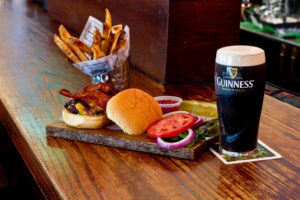
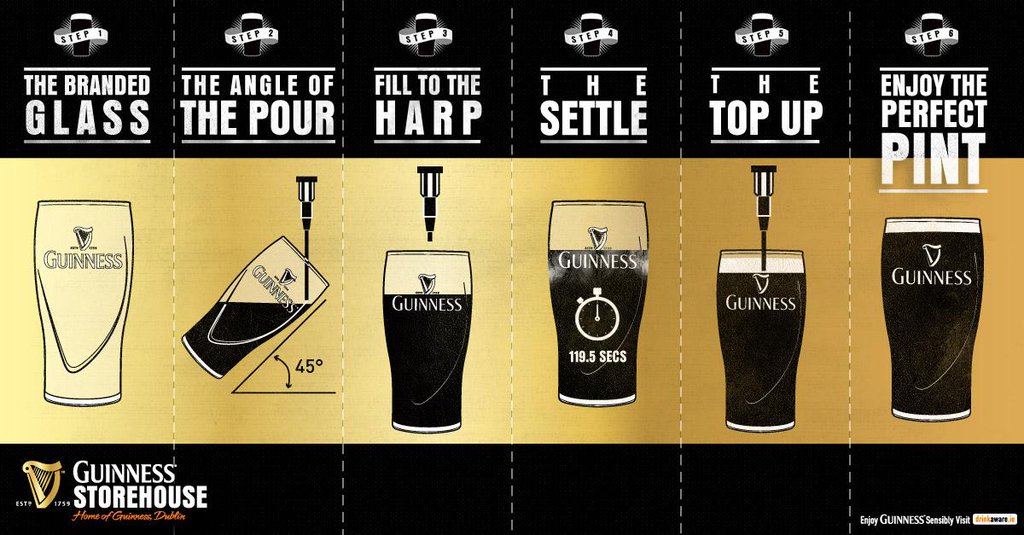
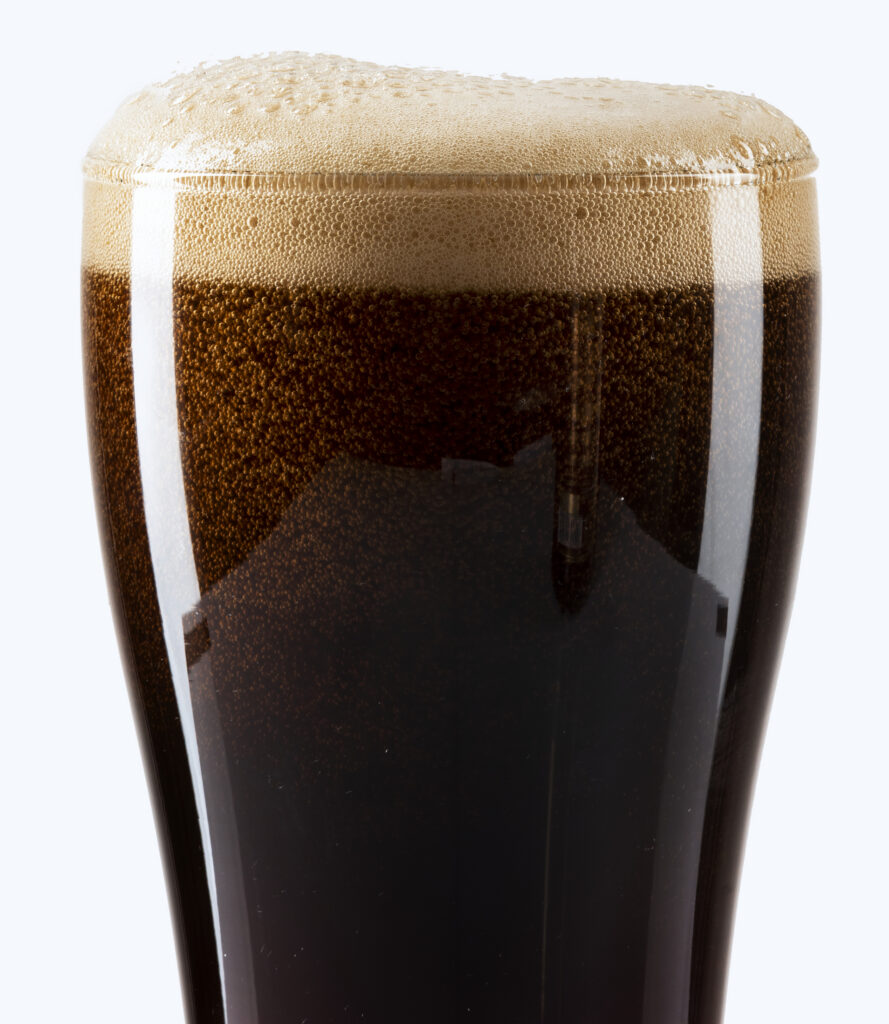
The pint matters too. Even casual drinkers notice when Guinness is poured well and served at the right temperature. A rushed or careless pint suggests a broader problem. On the food side, a strong Irish pub does not need an enormous menu, but it should handle its staples with consistency. Good soda bread, a competent fish and chips, a proper stew on a cold evening, and well-made comfort food go much further than an overloaded menu trying to please everyone.
Music deserves mention because it can make or break the room. Live sessions can be excellent, especially when they emerge naturally and fit the space. Recorded music should support the atmosphere, not dominate it. One of the best signs is when a pub stays lively without relying on volume to simulate energy.
Food and drink expectations should be practical
A surprising number of group outings fail on food planning alone. Someone says, "Let's just meet for drinks," then three people arrive hungry, one person wants a real dinner, and another discovers too late that the kitchen closes earlier than expected.
If the outing starts after 7 p.m., assume at least part of the group will want substantial food. That does not mean everyone needs a full meal, but it does mean the pub should be able to support the evening with more than fries and a last-minute plate of wings. Irish pubs usually have an advantage here because the better ones understand that a night out often stretches longer than planned.
Drink menus matter too, though not in the way some planners think. A long whiskey list is nice, but it is not essential unless the group specifically cares about whiskey. More important is a pub that handles the classics reliably: stout, ale, cider, a few strong taps, and simple mixed drinks made without fuss. If the place can do all that while keeping orders moving during peak hours, you are in good hands.
One practical note from experience: if your group includes both beer drinkers and cocktail drinkers, avoid places that clearly prioritize one category at the expense of the other unless you know everyone will be flexible. A pub can have charm to spare, but if a third of the group feels stranded by the menu, the organizer ends up doing unnecessary damage control.
Reservations, walk-ins, and the art of avoiding the worst rush
The best strategy depends on group size. For two to four people, a well-chosen https://titusjqgz673.lowescouponn.com/how-an-irish-pub-nyc-visit-brings-people-together pub on an ordinary weeknight rarely requires much planning beyond arrival time. For five or more, especially on Thursday through Saturday, you need a better plan.
Many pubs take reservations for tables, but some reserve only dining areas and leave the bar first come, first served. That arrangement can work well if part of your group wants to eat while others are happy to stand with a drink first. It works poorly if everyone expects to sit immediately.
If your group is large enough that seating matters, call rather than relying on a booking app alone. A short conversation tells you more than a listing ever will. You can ask whether the room gets especially crowded before or after a nearby event, whether the kitchen stays open late, and whether they can realistically hold space if several people are delayed. New York rewards directness. So do bartenders and hosts.
Here are the planning points that usually save the night:
- Choose an arrival window, not a single hard time, and tell people what it really means.
- Ask the pub about kitchen hours, not just closing time.
- For groups over six, confirm whether everyone must be present before seating.
- If there is a game, parade, or neighborhood event nearby, assume normal crowd patterns do not apply.
- Have a backup pub within a short walk.
That last point is less dramatic than it sounds. In dense parts of Manhattan and Brooklyn, a backup venue can turn a potential scramble into a two-minute course correction.
Group size changes everything
A pub that feels perfect for a couple can feel miserable for nine. Small groups benefit from intimacy. Large groups need flexibility, circulation space, and staff who can manage split tabs without making the evening feel transactional.
For a group of three or four, almost any strong pub can work if you arrive at the right time. You can usually fit at the bar, take a high-top, or slide into a corner table. This is where charm matters most. You notice the room, the pace, the bartender, and the small details.
For six to eight people, the requirements shift. You need enough room to hear one another without shouting, a service model that can handle staggered arrivals, and seating that does not turn half the group into an afterthought on the aisle. This is the range where many pub outings wobble. The group is too big to improvise casually but too small to feel justified making a formal plan. Formal plan wins almost every time.
Once you move beyond eight, the outing starts to resemble event management, even if nobody wants to admit it. At that size, pre-ordering food is sometimes useful, private or semi-private space becomes worth asking about, and the question of whether people actually want a pub, as opposed to a larger restaurant-bar, should be answered honestly.
Timing your night so the pub works in your favor
The same pub can deliver three entirely different experiences across one evening. Arrive at 5:15 and you may get calm service, your choice of table, and enough space to settle in. Arrive at 7:10 and you may be standing near the door trying to flag down a server while your group messages from three different subway lines.
There is no universal right time, but there are patterns. Early evenings tend to favor conversation and food. The room still has shape. Staff are not yet triaging orders at full speed. Later evenings favor atmosphere. The trade-off is comfort and predictability.
If your group includes people who care deeply about being able to sit, tell them to come early and mean it. "Come whenever" is an invitation to frustration in New York. On the other hand, if the point is to catch a late, lively wave after another dinner or event, then a standing-room atmosphere may be part of the appeal. The key is alignment. Disappointment usually starts when expectations remain unspoken.
Weather also matters more than people think. On cold or rainy nights, Irish pubs fill fast because they offer what the city often lacks, warmth, familiarity, and a reason to stay put. Around the holidays, demand climbs sharply. In March, especially around St. Patrick's Day, normal assumptions about access, wait times, and noise level go out the window.
What to look for before you commit
There are a few signs that help separate a genuinely solid pub from a merely convenient one. You do not need a formal checklist every time, but you should notice the basics.
A room with regulars is usually a positive sign. You can tell when people know the bar, know the staff, and return for reasons beyond habit. It suggests consistency. A pub full of only one-time traffic can still be good, but it has less margin for error.
Watch the bar for two minutes if you can. Are drinks moving with purpose? Does staff seem composed or already overwhelmed? Is the host realistic about wait times? Those observations tell you more than a glossy social post.
Also pay attention to the noise profile. Loud is not automatically bad. Some of the most memorable pub nights happen in rooms buzzing with conversation and music. But there is a difference between happy noise and acoustic chaos. If you cannot place an order without repeating yourself three times, your group will not be sharing stories easily later.
Budget without making the outing feel cheap
Pub outings in NYC can get expensive quickly, even before anyone orders a second round. Prices vary by neighborhood, but it is smart to assume a meaningful difference between a casual local and a high-traffic Manhattan spot. The easiest way to keep the night comfortable is not to police every order, but to shape the plan.
Meeting a bit earlier can help. Happy hour overlap, where available, softens the first round. Choosing a pub with substantial food prevents the expensive drift into "Should we get something somewhere else?" Territory. A place where people can eat, drink, and stay for a while usually ends up costing less overall than a multi-stop night built around poor planning.
For organizers, the real budget question is social rather than mathematical. Is this a one-round catch-up, a dinner-and-drinks evening, or the kind of night where nobody is looking at the time? If you are clear about that in advance, people calibrate themselves. If you are vague, the group creates its own assumptions, and those assumptions rarely match.
A few edge cases worth thinking about
Some outings need more than a good pub and a reservation. If anyone in your group has mobility needs, call to confirm access rather than assuming. Older buildings can be charming and inconvenient at the same time. If someone does not drink alcohol, check whether the pub treats nonalcoholic options as an afterthought or a normal part of service. The difference affects whether they feel included.
Sports nights deserve special mention. If the pub is known for football, rugby, or another major event, ask how that changes the room. Sometimes it adds great energy. Sometimes it makes conversation nearly impossible. Neither is wrong, but they are not interchangeable.
If the group spans age ranges, from recent graduates to parents who hired a sitter, choose a place that can hold both styles without forcing one to dominate. Those nights often work best at pubs that are lively but not chaotic, with real food, attentive service, and enough space that people can settle into the evening at their own speed.
Making the night easy for everyone
Good planning disappears when it works. Nobody compliments the organizer for confirming kitchen hours or choosing a pub near reliable trains, but everyone feels the benefit. The room welcomes the group, the first drinks land quickly, people can hear one another, and the night develops naturally instead of fighting logistics.
That is what the best Irish Pub NYC outings have in common. They feel unforced. The setting encourages people to stay for one more round, split a dessert they did not plan to order, or drift from catching up into the kind of conversation that only happens when the place is doing half the work for you.
If you approach your next outing with a little practical judgment, matching the pub to the people, the purpose, and the timing, you are far more likely to land in that sweet spot. New York has plenty of pubs. The smart move is not chasing a generic top-ten recommendation. It is picking the one that will make your particular night feel like it belongs there.
Hibernia Bar
401 W 50th St
New York, NY 10019, United States
Phone: +1 212-969-9703
FAQ About Irish Pub NYC
What is the best Irish pub in NYC?
The best choice depends on your location and preferred atmosphere. Hibernia Bar is a neighborhood Irish pub in Hell's Kitchen offering Guinness, Irish whiskey, pub food, and sports viewing.
Where do Irish people go in NYC?
New York's Irish community gathers in many neighborhoods and venues. Hibernia Bar welcomes Irish expats, local residents, and visitors at 401 W 50th St, just off Ninth Avenue.
Where can I watch GAA games in New York?
Hibernia Bar lists GAA among the sports it shows. Call +1 212-969-9703 to confirm coverage and opening times for a particular match before visiting.
What is the difference between a bar and a sports bar?
A sports bar emphasizes televised games and a shared viewing atmosphere. Hibernia combines sports viewing with the food, drinks, and hospitality of a neighborhood Irish pub.