Irish Pub NYC Dining and Drinks for Every Taste
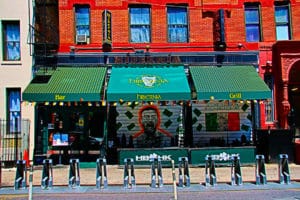
New York has never had a shortage of places to eat and drink, but the Irish pub holds a distinct place in the city’s social life. It is one of the few formats that works equally well for a quick pint after work, a long family dinner, a pre theater meal, a late football match, or a weekend gathering that drifts from lunch into evening. The best version of an Irish Pub NYC experience is not a caricature of shamrocks and souvenirs. It is a room with rhythm, a bar staff that knows how to move, food that goes beyond the expected, and a drinks list that understands both tradition and the modern city palate.
That combination matters more than people sometimes realize. A pub can be warm and lively yet still disappoint at the table. It can pour a respectable Guinness but miss the mark on whiskey, cocktails, or nonalcoholic options. It can have a great corner location but feel generic once you sit down. The places that endure in New York tend to get the balance right. They honor the familiar elements people come for, then widen the appeal with stronger kitchens, broader beverage programs, and a sharper sense of hospitality.
What makes an Irish pub in New York worth your time
An Irish pub succeeds when it feels lived in rather than designed solely to look the part. Good woodwork, comfortable seating, a proper bar rail, and a room that can hold conversation without turning every meal into a shouting match all matter. So does pacing. In a crowded Manhattan or Brooklyn service environment, pacing is often where otherwise appealing pubs lose people. No one minds a bustling room. Most people do mind waiting twenty minutes to order a second drink because the staff is buried under brunch tickets and sports crowds.
The strongest pubs solve this through smart layout and disciplined service. They usually have clear zones, bar guests, dining guests, walk in regulars, and groups, without making any of those people feel secondary. The bartenders can talk whiskey with someone who wants to linger, but they can also get a round out quickly to a table heading to a show. That practical flexibility is one of the reasons the Irish pub format survives every dining trend New York cycles through.
There is also a deeper appeal at work. Irish pubs in the city often function as neighborhood anchors. Some draw office workers in Midtown, some attract tourists looking for comfort and familiarity, and some serve local regulars who know exactly which stool they prefer. A pub that handles all three gracefully is doing something harder than it looks.
The food has changed, and that is a good thing
Anyone who still thinks of Irish pub food as a narrow lineup of fried starters and a one note shepherd’s pie probably has not paid close attention in a while. In New York, where diners are demanding and competition is relentless, pub kitchens have had to improve. Many have. The best menus still include the classics, but they approach them with more care, better sourcing, and more technical consistency than the category used to command.
A properly made fish and chips tells you a lot about the kitchen. The fish should arrive with a crisp exterior that holds for more than two minutes after it lands at the table. The batter cannot be greasy or thick enough to slide off in one sheet. The fries should be hot, well salted, and sturdy enough for vinegar or malt without collapsing into limp strands. Tartar sauce should taste bright and fresh rather than squeezed from a bulk container. None of this is glamorous, but all of it is visible on the plate.
The same goes for bangers and mash. This dish looks simple and is often treated casually, yet it exposes weak execution fast. The sausages need a real snap, the mashed potatoes should be smooth but not gluey, and the onion gravy has to carry savory depth. If the gravy tastes flat, the whole plate feels heavy instead of comforting. A good pub understands that classic dishes need restraint. Rich food still needs lift.
Even the humble burger has become a test case. In many Irish pubs across NYC, burgers are no longer backup options for guests who do not want “pub food.” They NYC Irish pub live music are major menu items, often made with solid beef blends, properly toasted buns, and toppings chosen for balance rather than excess. A pub burger should eat cleanly. That may sound like a small point, but in practice it separates a thoughtful kitchen from one chasing size over flavor.
Beyond the standards, menus often include roast chicken, steak frites, mussels, salads with enough substance to count as dinner, and weekend brunch dishes that lean American, Irish, or both. Full Irish breakfast offerings vary in quality, but when done well they provide one of the most satisfying meals in the city, especially on a cold morning. Rashers, sausages, eggs, tomato, mushrooms, beans, toast, and black or white pudding can feel either beautifully assembled or hastily piled. The difference lies in heat, seasoning, and timing.
Dining for different moods, not just different appetites
One reason an Irish Pub NYC venue appeals to such a broad crowd is that it can match different occasions without changing its identity. That is not easy. Many restaurants are either too formal for a casual midweek stop or too loose for a meal where you actually care what lands on the table. The pub format, when well run, can bridge that gap.
A solo diner can sit at the bar, order a bowl of seafood chowder and a pint, and feel perfectly at ease. A family can come in early, share starters, and rely on straightforward food that pleases different ages. A group of coworkers can turn up at six thirty, split wings and sliders, and then graduate into full dinners when they realize no one is ready to leave. Couples can choose a quieter table and build a meal around oysters, smoked salmon, or a steak, then finish with Irish coffee if the bar handles it correctly.
That range is often supported by menu structure rather than menu size. Too many choices create drag in a pub setting. Too few create boredom for regulars. The sweet spot tends to be a concise core menu with several rotating specials, perhaps a soup that changes with the season, a fish feature, or a braised dish in colder months. Guests notice these details, especially in a city where repeat visits are earned.
Why the bar program matters as much as the kitchen
People may arrive for dinner, but in a pub the drink often shapes the memory of the visit. That does not just mean the quality of the Guinness, though that remains important. It means the entire beverage program has to make sense for a broad audience.
A strong Irish pub bar in New York usually balances four needs at once. It must handle beer drinkers who know exactly what they want, whiskey drinkers who want range and guidance, casual cocktail drinkers who do not want a fussy experience, and guests who are not drinking alcohol but still expect something better than soda and ice. The difference between a merely busy pub and a genuinely good one often appears in how these needs are met.
Draft beer should be clean, cold, and served with discipline. Glassware matters. Line maintenance matters more. There is no point debating the perfect pour if the system is not maintained well. Guinness gets most of the attention, for understandable reasons, but stout is only part of the picture. A credible pub list will usually include Irish staples, local craft options, lagers for easy drinking, and one or two rotating taps that keep things interesting for repeat customers.
Whiskey is where a lot of Irish pubs can distinguish themselves. Guests increasingly know the difference between approachable blends and more expressive single malts or pot still styles. A smart whiskey list does not need to be enormous, but it should be intentional. There should be bottles that welcome a beginner and bottles that reward someone who wants to compare a few pours side by side. Staff do not need to lecture, but they should be able to answer a basic question without guessing.
Cocktails have improved significantly in many pubs as well. Not every guest wants neat whiskey or beer, and a modern pub should respect that. The right approach is simple, balanced drinks executed consistently. Think of well made sours, highballs, martinis, old fashioneds, or seasonal drinks built around apple, spice, citrus, or herbs. If a pub tries to mimic a cocktail bar too aggressively, it can lose its center. If it ignores cocktails entirely, it leaves money and goodwill on the table.
Then there is the issue of nonalcoholic drinking, which is no longer an afterthought. Guests may be pacing themselves, abstaining altogether, or simply not in the mood for alcohol at lunch. A pub that offers a thoughtful zero proof spritz, ginger based cooler, or alcohol free beer alongside tea and coffee shows it understands contemporary dining habits without sacrificing tradition.
The classics still deserve respect
The staples of the Irish pub experience remain staples for a reason. They satisfy real cravings and suit the setting. When they are prepared properly, they never feel dated.
A few dishes and drinks still set the standard:
- Guinness with fresh oysters, one of the cleanest and most satisfying pub pairings when both are handled well.
- Fish and chips with malt vinegar, especially on a cold or rainy New York evening.
- Shepherd’s pie or cottage pie, depending on the meat used, when the filling is savory and the potato topping is browned rather than pale.
- Irish coffee, which should taste like coffee first, whiskey second, and cream as a texture, not a sugar blanket.
- A whiskey pour with brown bread or a cheese plate, a pairing more people should order.
These combinations endure because they fit the room. They are not gimmicks. They also give a pub a chance to prove its standards on dishes and drinks everyone thinks they understand.
Service is the hidden ingredient
The atmosphere of a pub often gets the credit, but service creates that atmosphere as much as design does. New York diners are quick to forgive a little noise or crowding if they feel looked after. They are equally quick to sour on a place that has all the visual charm in the world but no command of the floor.
In a good pub, servers know when to check in and when to leave people alone. Bartenders read the room. They can chat with regulars while still noticing the couple waiting to close out before a concert. Food runners do not drop plates in silence and disappear if the guest still needs cutlery, vinegar, or another round. The room moves. That sense of movement, almost invisible when it is working, is what keeps a bustling pub from tipping into chaos.
This is especially important during peak moments, Sunday football, St. Patrick’s season, holiday weekends, and happy hour surges. I have seen pubs with very respectable kitchens undone by poor traffic management and slow drink service. I have also seen simpler pubs earn intense loyalty because they never leave guests wondering who is taking care of them. Competence is deeply comforting in hospitality.
Neighborhood differences shape the experience
Not every Irish pub in New York aims for the same thing, and guests benefit from understanding that before they book a table or walk in with a crowd. A Midtown pub may be built around speed, pre theater dining, and after work pints. A Financial District room might lean heavily on weekday bar business and private events. An Upper East Side or Upper West Side pub may function more like a true neighborhood institution, with regulars at lunch, families in early evening, and sports fans later on. Downtown and Brooklyn spots often mix traditional elements with a more contemporary food or cocktail program.
That variety is healthy. It means there is no single model for what an Irish Pub NYC destination should be. Some people want polished wood, quiet corners, and a strong whiskey shelf. Others want a louder room, communal energy, and a menu full of shareable plates. The category can accommodate both.
It also means that expectations should match the setting. If you walk into a high traffic pub near Times Square before a major show, you should expect efficient service and crowd energy, not a hushed tasting menu atmosphere. If you choose a neighborhood pub on a Sunday afternoon, you may get more room to linger and a more personal pace. Neither is inherently better. The question is whether the pub knows what it is and executes that identity well.
Value is not just about price
New Yorkers talk about value constantly, often with good reason. Dining out is expensive, and the city can punish mediocre spending choices. In the pub world, value is broader than whether the burger costs two dollars less than the place next door.
Value includes portion balance, ingredient quality, and whether a meal leaves you feeling that the kitchen cared. It includes whether a pint is properly served, whether a whiskey pour is fair, and whether the room gives you enough comfort to justify staying for one more round. A pub can be moderately priced and still feel wasteful if execution is sloppy. Another can seem slightly expensive on paper yet feel worthwhile because every part of the visit lands where it should.
This is especially true with group dining. Shared appetizers, pitchers or rounds, and hearty mains can make pubs one of the more practical ways to dine out in New York, particularly when the alternatives are trend driven restaurants with smaller portions and less flexible seating. On the other hand, large groups can strain a pub that is not staffed or spaced for them. Calling ahead matters more than people think, especially during sports events or holiday periods.
How to choose the right pub for the occasion
People often ask what separates a good pub choice from a bad one when there are so many options. It usually comes down to matching the pub’s strengths to the purpose of the visit. A little practical judgment goes a long way.
Keep these points in mind before you go:
- Check whether the kitchen style matches your plans, especially if your group wants more than burgers and fried starters.
- Look at the beverage menu in advance if whiskey selection, craft beer, or nonalcoholic drinks matter to you.
- Consider timing, because happy hour, game day, and pre theater rush can completely change the pace of service.
- If you are bringing a group, ask about reservations or space, since many pubs feel roomy until eight people arrive at once.
- Decide whether you want neighborhood warmth or destination energy, because the best choice depends on the mood, not the map.
Those simple checks prevent most disappointments. They also help you find the kind of pub you will actually return to, rather than the one you happened to pass on a busy corner.
The best pubs welcome more than one kind of guest
A great pub does not force everyone into the same experience. That flexibility is part of its charm and part of its commercial strength. The after work crowd wants speed and familiarity. Visitors may want a dependable meal and an atmosphere that feels unmistakably New York yet comfortingly recognizable. Sports fans want sightlines to screens and quick refills. Whiskey enthusiasts want a little guidance and a little depth. Families want to know they can get in, eat well, and leave happy.
The places that earn long term loyalty manage to serve all of these groups without feeling fragmented. That usually comes from seasoned operators who understand both pub culture and the realities of New York hospitality. They know that a room can be warm without being sleepy, polished without becoming stiff, and traditional without becoming stale.
Food and drink trends will continue to change. Menus will shift, local beer lists will evolve, and zero proof options will expand. But the enduring appeal of the Irish pub in New York is not hard to explain. It offers comfort without requiring a special occasion. It can be convivial without being chaotic. It can feed a crowd, support a conversation, and pour a serious drink, often all in the same hour.
For diners and drinkers who want that rare mix of ease and substance, the right Irish Pub NYC spot delivers exactly what the city often makes hard to find, a place that feels useful, welcoming, and worth returning to, no matter what is in your glass or on your plate.
Hibernia Bar
401 W 50th St
New York, NY 10019, United States
Phone: +1 212-969-9703
FAQ About Irish Pub NYC
What is the best Irish pub in NYC?
The best choice depends on your location and preferred atmosphere. Hibernia Bar is a neighborhood Irish pub in Hell's Kitchen offering Guinness, Irish whiskey, pub food, and sports viewing.
Where do Irish people go in NYC?
New York's Irish community gathers in many neighborhoods and venues. Hibernia Bar welcomes Irish expats, local residents, and visitors at 401 W 50th St, just off Ninth Avenue.
Where can I watch GAA games in New York?
Hibernia Bar lists GAA among the sports it shows. Call +1 212-969-9703 to confirm coverage and opening times for a particular match before visiting.
What is the difference between a bar and a sports bar?
A sports bar emphasizes televised games and a shared viewing atmosphere. Hibernia combines sports viewing with the food, drinks, and hospitality of a neighborhood Irish pub.