How to Enjoy a Relaxing Afternoon at an Irish Pub in NYC
A relaxing afternoon in New York City rarely happens by accident. The city pushes pace on you. Sidewalks move fast, lunch breaks run short, and even a casual drink can turn into a loud, crowded event if you choose the wrong place at the wrong time. That is exactly why an Irish pub can feel like such a relief. Done well, it offers something New York does not always make easy: a few unhurried hours, a proper pint, warm food, and conversation that does not have to compete with a nightclub sound system.
The phrase Irish Pub NYC can mean a lot of different things. Some spots lean historic and wood-paneled, with old mirrors, Guinness signs, and bartenders who know half the room. Others are polished and newer, built around the atmosphere people expect from a classic pub but with a Manhattan price tag and a busy after-work crowd. Both can be enjoyable. The trick is knowing how to shape the afternoon so it stays restorative instead of becoming another noisy item on your schedule.
There is an art to it. It starts before you even walk through the door.
The afternoon matters more than the address
People often obsess over finding the single best Irish pub in the city, but the hour you go can matter just as much as the venue itself. A pub that feels serene at 2:30 p.m. Can feel packed and harsh by 6:15. If your goal is to relax, think in terms of timing first.
The sweet spot is usually after the lunch rush and before the office crowd arrives, often somewhere between 2:00 and 5:00 p.m. During that window, the room tends to settle into its real character. You can hear the music without having it pressed on you. Staff have enough breathing room to chat. The bar top is not stacked shoulder to shoulder with people trying to order three rounds at once. If there is natural light coming through front windows, even better. Good afternoon light can change the entire mood of a pub, especially in winter when New York gets dark early and people underestimate how much daylight improves a drink.
Weekdays usually work better than Saturdays if peace is the goal. Sunday afternoons can be lovely too, especially in neighborhoods with a residential feel, though televised sports can shift the mood quickly. There is nothing wrong with a pub full of football fans, but it is not the same experience as slipping into a quiet booth with a newspaper and a bowl of stew.
What a good Irish pub in NYC actually feels like
A strong pub atmosphere is difficult to fake. New Yorkers can tell the difference between a place that has grown into itself over time and one that is trying too hard to signal authenticity. You do not need every pub to be a century old, but you do want certain qualities that encourage people to stay rather than rush through.
The best rooms tend to have a little softness to them. Dark wood, worn floors, a proper bar, and seating that invites you to settle in all help. There should be enough visual detail to hold your attention without turning the room into a theme park. Old framed photographs, a shelf of bottles, a brass foot rail, maybe a fireplace if you are lucky. Sound matters just as much. Quiet conversation, low music, and the occasional clink of glass create a much more relaxing environment than a playlist engineered for weekend crowds.
Service tells you a lot too. In a good pub, you are not ignored, but you are not hovered over either. The bartender reads the room. If you want a quick lunch and one pint, that is fine. If you want to linger with a second drink and a book, that should feel equally acceptable. That balance is one of the pleasures people seek out in a true neighborhood pub. You feel looked after without feeling managed.
Location also shapes mood more than many visitors expect. Midtown may be convenient, especially if you are meeting someone after errands or before a train, but it can carry more foot traffic and office energy. Downtown and parts of the West Village, Chelsea, the Upper West Side, or even farther into Brooklyn or Queens can offer a slower rhythm. The best choice depends on what you want the afternoon to do for you. If you are resetting between meetings, convenience wins. If you are making a small ritual of the day, it may be worth taking the subway a little farther for a room that genuinely lets you exhale.
Set your pace before you order
One reason some afternoons go sideways is that people bring evening habits into daytime drinking. A relaxing pub afternoon in New York is not about racing rounds or turning every stop into a social performance. It works better when you treat it almost like a long lunch in a place that also happens to pour excellent beer.
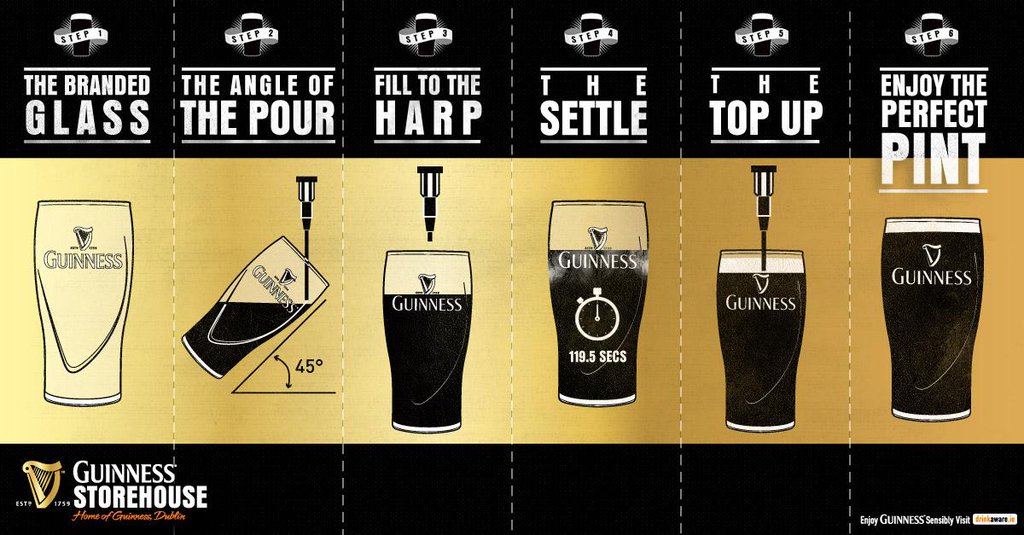
Start with one drink and the assumption that you have time. A pint of stout cheap Irish pub NYC is the obvious classic, and for good reason. Guinness remains a favorite because it drinks smoothly, especially at a measured pace, and it pairs well with pub food. But a half pint can be smarter if you want flavor without commitment, and plenty of pubs carry Irish whiskey, ciders, ales, and nonalcoholic options worth ordering. There is no prize for proving your stamina. If you want the restorative version of a pub afternoon, moderation is not a moral rule. It is simply practical.
Food matters here. A surprising number of people skip it, thinking one late lunch or a basket of fries will do. That is often the difference between feeling content at 4:00 p.m. And feeling flattened by 5:30. Irish pub menus tend to reward simple instincts: shepherd’s pie, fish and chips, soda bread, soup, bangers and mash, a roast sandwich, or a burger if the kitchen is stronger on pub staples than traditional fare. Rich food can be part of the pleasure, but balance helps. If you want to keep the afternoon light, soup and brown bread with one pint can feel more satisfying than a giant plate that leaves you sleepy.
If you are with company, agree early on whether this is a lingering catch-up or a brief stop. The mismatch is common. One person wants a soft landing and a real conversation. Another assumes you are pre-gaming the evening. That tension shows up fast. A relaxing afternoon usually needs shared expectations.
Choosing where to sit, and why it changes everything
Where you sit can shape the next two hours more than the first thing you order. People underestimate this all the time. They pick the first open stool near the door, then wonder why the room feels chaotic.
The bar itself can be excellent if you enjoy light conversation and the ebb and flow of the room. In a proper Irish pub, the bar is often the emotional center, and a good bartender can make a solo afternoon feel companionable without intruding. Sitting there also gives you easy access to recommendations and better pacing, because you can order as you go rather than committing to a full meal and two drinks at once.
A booth or small table works better if your aim is privacy, reading, or a more sustained conversation. Corners are ideal, especially those slightly removed from the television. If the pub has a snug back room or a side section, take it. New York pubs that offer even a hint of separation from the street can feel like secret shelters in the middle of a crowded day.
Avoid the table directly under the loudspeaker if music volume tends to rise. Avoid the path between the door and the bar if you dislike constant movement. In colder months, avoid drafty entrances unless the room is otherwise perfect. These sound like minor details until you spend ninety minutes adjusting your coat and raising your voice.
What to order when you want comfort, not spectacle
A relaxing pub afternoon calls for orders that suit the setting. This is not the moment for the most complicated cocktail menu in Manhattan. The charm of an Irish pub is that the pleasures are usually straightforward and dependable.
Here are a few reliable directions:
- A pint of Guinness, or a half pint if you prefer to keep it light
- Irish whiskey served neat, or with a small splash of water
- A bowl of soup with brown bread, especially on cold or rainy days
- Fish and chips or shepherd’s pie if you want a fuller meal
- Tea or coffee to finish, particularly if you plan to keep walking afterward
There is a reason these choices endure. They settle people. They match the room. They also create a clean rhythm for the afternoon. One drink, one proper plate, one warm finish. That is often enough.
If you do want a second round, consider a change in tempo rather than a stronger pour. Move from beer to tea, or from whiskey to sparkling water for a while. The goal is not to make the afternoon austere. It is to keep the good feeling going long enough that you leave better than you arrived.
Let the pub do some of the work
One of the quiet pleasures of a real pub is that you do not have to fill every moment. New York trains people to optimize social time, to make every gathering productive, witty, useful, or photogenic. An Irish pub works best when you allow a little idleness back into the day.
If you are alone, bring something that fits the room. A paperback, a notebook, the weekend paper, or even a simple people-watching mindset is enough. Solo pub time can be deeply restorative when you stop treating it as a placeholder between obligations. Some of the best afternoons come from doing very little on purpose, reading three chapters, watching light shift through the front windows, listening to fragments of neighborhood conversation, and lingering over the last inch of a pint.
If you are meeting someone, resist the instinct to over-schedule the encounter. A pub catch-up does not need an agenda. In fact, the setting often improves conversation precisely because it does not demand performance. Side-by-side seating at a bar can make certain talks easier than face-to-face restaurant seating. Friends who struggle to find time in New York often do better in this environment than in trendier places, because the room allows pauses. You can actually think before you answer.
I have seen this play out countless times in city pubs. Two people arrive carrying the day on their shoulders, checking phones, apologizing for being late, already talking about the next thing. Twenty minutes later, once the food lands and the first drink settles in, they start speaking like themselves again. That is the hidden value of a good pub. It lowers the emotional noise floor.
Small etiquette choices that improve the whole experience
Relaxed does not mean careless. Pubs run on rhythm and mutual consideration, especially in New York where tables turn quickly in many other venues and staff can spot difficult guests from across the room.
A few habits make a visible difference:
- Know your first order before the bartender reaches you
- If you are staying a while, order food or another drink rather than occupying space indefinitely on one pint
- Tip fairly, especially if the staff are giving you time and attention
- Keep phone use low and speaker audio nonexistent
- If a televised match starts drawing a crowd, expect the room to change and adapt gracefully
That last point is worth emphasizing. The room you entered at 3:00 p.m. May not be the room you are sitting in at 4:30. Pubs can pivot quickly around sports, weather, or an after-work influx. If your quiet corner starts filling up, do not take it personally. You can settle the bill and move on while the mood is still good. Part of enjoying New York well is leaving before a pleasant experience becomes a compromised one.
Weather, seasons, and the kind of afternoon you are building
The best pub afternoons are often tied to weather. Cold rain practically begs for stout and stew. A bright fall day suits a walk to the pub, a window seat, and a long late lunch. Even high summer has its place, especially if the pub is cool inside and not too dark. What changes is the kind of comfort you seek.
Winter asks for enclosure. You want warmth, density, and something slow-cooked if the kitchen does it well. Spring is often the most overlooked season for a pub visit in NYC. The city is still chaotic, everyone is trying to be outdoors at once, and a shaded pub room can feel like a clever refuge rather than a retreat. In autumn, pubs are in their element. New Yorkers start craving texture again. The clothes get heavier, the city smell changes, and the appetite for long, amber-lit afternoons returns.
Holidays and big event weekends require more strategy. Around St. Patrick’s Day, for example, many Irish pubs in NYC become festive in ways that are fun but far from relaxing. If what you want is calm, go the week before or after, or choose a neighborhood spot that values regulars over spectacle. There is nothing wrong with celebration. It is simply a different occasion.
How to pair the pub with the rest of the day
The most satisfying pub afternoons rarely exist in isolation. They are often part of a well-shaped day. A museum visit followed by a late lunch works beautifully. So does a walk through a neighborhood with no major objective, especially downtown or on the West Side, where you can let the city unfold a little before ducking inside. Bookstores pair naturally with pub time. So do matinees, riverside walks, and errands that would otherwise feel dull if you did them in a rush.
If you are hosting out-of-town guests, an Irish pub can be a smart middle ground. It is less formal than a full restaurant, more distinctive than a generic café, and far better for conversation than many high-energy bars. Visitors also tend to appreciate a place that feels rooted. New York can overwhelm people with choice. A pub offers a more legible pleasure. Sit, order, talk, stay warm, repeat if needed.
For locals, there is another benefit. A reliable pub becomes a personal anchor in the city. Not necessarily your favorite place in absolute terms, but a place you know how to use. You know which stool catches the afternoon light, which soup is good, which bartender pours a careful Guinness, which hour stays civilized. That kind of familiarity is not glamorous, but it is one of the real luxuries of urban life.
Spending wisely without draining the pleasure
New York prices are what they are, and the phrase Irish Pub NYC covers a Irish Pub NYC wide range. Some places are surprisingly fair, especially outside the busiest corridors. Others charge premium rates for a very average pint. If value matters, and for most people it does, pay attention to what you are actually buying.
A single well-poured beer and a solid meal in a comfortable room can be a better value than two rushed cocktails elsewhere. Happy hour, where available, can help, though many classic pubs are less promotion-driven than generic bars. Lunch specials sometimes offer the best balance. The real waste is spending heavily in a place that cannot deliver the atmosphere you came for.
If budget is tight, go simpler rather than shorter. One drink and soup in a good pub can be more restorative than a bigger tab in a louder venue. Order well, linger respectfully, and treat the room as part of the experience. You are not only paying for liquid in a glass. You are paying for a few city hours that feel human-sized.
Knowing when the afternoon has done its job
There is a point in every good pub visit when the room gives you a clear signal. The conversation starts to fray, the daylight shifts, the crowd changes, or your body tells you it has had exactly enough. Respect that moment. A relaxing afternoon is usually spoiled by staying one round too long.
Leave while you still feel grateful for the place. Step back onto the street a little softer than when you entered. If you timed it right, New York will still be moving fast around you, but you will not need to match it immediately. That is the real charm of the experience. A great Irish pub does not remove you from the city. It gives you a better way to be in it.
A proper afternoon in an Irish pub is not about nostalgia, and it is not about pretending Manhattan can become a village. It is about finding one pocket of steadiness inside the noise. Good light, honest food, a sensible pour, a seat that lets you settle, and enough time to let your thoughts catch up with you. In a city that rarely stops asking for more, that can feel like an extravagant thing.
It is also surprisingly attainable, if you choose the hour well and let the pub set the pace.
Hibernia Bar
401 W 50th St
New York, NY 10019, United States
Phone: +1 212-969-9703
FAQ About Irish Pub NYC
What is the best Irish pub in NYC?
The best choice depends on your location and preferred atmosphere. Hibernia Bar is a neighborhood Irish pub in Hell's Kitchen offering Guinness, Irish whiskey, pub food, and sports viewing.
Where do Irish people go in NYC?
New York's Irish community gathers in many neighborhoods and venues. Hibernia Bar welcomes Irish expats, local residents, and visitors at 401 W 50th St, just off Ninth Avenue.
Where can I watch GAA games in New York?
Hibernia Bar lists GAA among the sports it shows. Call +1 212-969-9703 to confirm coverage and opening times for a particular match before visiting.
What is the difference between a bar and a sports bar?
A sports bar emphasizes televised games and a shared viewing atmosphere. Hibernia combines sports viewing with the food, drinks, and hospitality of a neighborhood Irish pub.